Is Bariatric Surgery Losing Weight in the Race for Innovation?

Written By Anya Roy
Let’s begin with a quick definition - bariatric surgery, also known as weight loss surgery, is a “treatment for people who are severely obese, making the stomach smaller so it feels fuller sooner and less food is eaten”1. Bariatric surgeries can be broadly classified as restrictive procedures (limiting food intake, e.g. adjustable gastric banding and sleeve gastrectomy), malabsorptive procedures (limiting food absorption, e.g. Biliopancreatic Diversion), or mixed restrictive and malabsorptive procedures that accomplish both (e.g. Roux-en-Y gastric bypass).
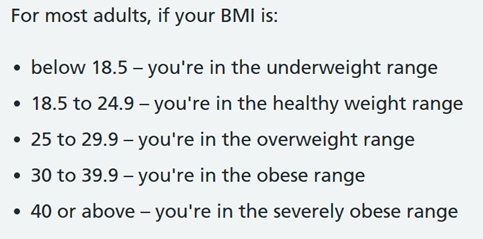
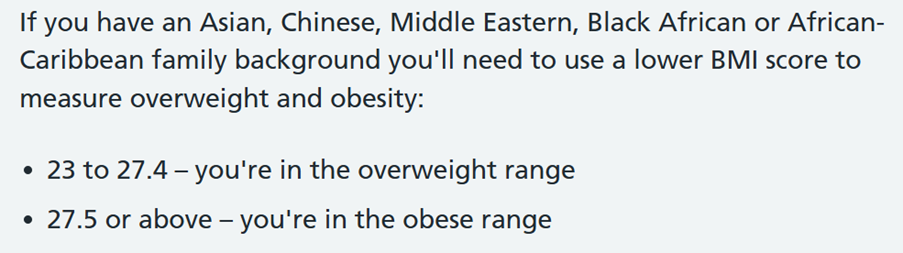
To qualify for bariatric surgery, you need to have a Body Mass Index (BMI) of 40 or more (classed as ‘morbidly obese’) and should have already tried to lose weight via a healthy diet, exercise and medicine. Or, you could have a BMI of 35 or more alongside a serious health condition that can be significantly improved with weight loss (like Type 2 diabetes or hypertension). People of non-white ethnic origin have even lower BMI thresholds. Additionally, you must be fit enough to undergo anaesthesia and surgery3.
After surgery, you will need to go for regular check-ups & incorporate pre-determined lifestyle & dietary changes to ensure optimal outcomes.3
You might ask - if the need for diet and lifestyle changes is inevitable, what’s the point of the surgery? Why can’t people just avoid it altogether?
Every individual’s weight loss journey is unique - be it due to genetic, physiological, psychological or age differences. Different bodies respond differently to lifestyle changes and, especially for individuals with a very high BMI, physical exercise can be very challenging - either due to their physical limitations (like lower mobility) or cardiovascular conditions that reduce exercise tolerance.4 Diet programs aim to create a calorie deficit. Inconsistency with following such programs is common due to persistent hunger and metabolic adaptations (metabolism slows down during caloric restriction, thus slowing down weight loss)5. Studies show that despite consistent lifestyle changes, those in the ‘morbidly obese’ category are unlikely to experience significant weight loss or reach target BMI.
That’s where bariatric surgery comes in - a solution for relatively safe and effective weight loss. It causes morphological and functional changes in the intestines, speeding up nutrient transit time, increasing intestinal mucosal surface area and causing intestinal hypertrophy. This leads to the increased secretion of Glucagon-Like Peptide-1 (GLP-1) and Peptide YY (PYY), which promote insulin secretion (thus speeding up metabolism), suppress appetite and improve blood glucose regulation. Lower levels of ghrelin (a key hunger-hormone) post-surgery also reduce appetite.6 Thus, bariatric procedures don’t just improve co-morbidities via short-term weight reduction; the metabolic changes help ensure their risk is reduced in the long-term. Any post-surgery dietary changes are to prevent weight regain and any nutritional deficiencies stemming from lower micronutrient absorption (due to quicker transit of food through the bowel). Despite the possibility of gaining some weight, this is usually long-term - over 10 to 15 years - and patients likely never return to their initial weight.4
Wait! What about the risks associated with major surgery?
- SHOR- TERM issues include complications from general anaesthesia, bleeding, infection, blood clots, gastrointestinal leaks, and wound infections.7,8
- LONG TERM issues include stomal stenosis, gastric band slippage, nutritional deficiencies, excess skin, dumping syndrome, food intolerances, gallstones etc.7,8
These often lead to further treatment and psychological distress for the patient. Yet, nowadays, after decades of refinement (including the development of minimally invasive laparoscopic and robotic surgery),9 complications are rare, and mortality rates are below 0.1%10. This is even lower than more common operations like gallbladder removal!
For those still concerned with all the post-surgery risks, non-surgical alternatives do exist and are becoming increasingly popular. These include endoscopically inserting intragastric balloons into the stomach, endoscopic sleeve gastroplasty (reducing the stomach’s size from inside it), etc. Still, only bariatric surgery has been shown to achieve significant and long-term weight loss of up to 75%19.
Diet & exercise regimes are still immensely useful for those who are ineligible for bariatric surgery, typically people with a BMI between 25 & 35 looking to lose weight - especially since bariatric surgery isn’t usually an option for them. Studies have found that a low-fat, low-calorie diet with regular, moderate exercise can help lose about 10% body mass in a year11. Still, consistency is key! For people struggling with consistency, doctors recommend an ‘accountability partner’, finding support groups or receiving behavioural therapy (especially in cases of adverse relationships with food).
Yet, we know that diet or exercise alone is often ineffective for those seeking significant weight loss. For people with a BMI over 28, if lifestyle changes have been ineffective, the NHS recommends prescription of weight loss medication - orlistat. Orlistat is a lipase-inhibitor, thus preventing the absorption of about a third of dietary fat intake3. Whilst orlistat is effective for weight loss, GLP-1 receptor agonist drugs (GLP-1RAs), like liraglutide, have been proven to be more effective, with 64.7% of individuals losing at least 5% of their baseline weight in 7 months, versus only 27.4% on orlistat. Rates of prediabetes also significantly decreased with liraglutide in comparison to orlistat12.
GLP-1RAs mimic the GLP-1 hormone to treat both type 2 diabetes and obesity. They help create a feeling of satiety, making it easier to maintain a calorie deficit and lose weight. These drugs include semaglutide (Wegovy, Ozempic), liraglutide (Victoza, Saxenda) and tirzepatide (Mounjaro & Zepbound - dual GLP-1/Incretin agonists). Saxenda, Wegovy and Mounjaro have been introduced to the NHS recently, but extensive criteria must be met to access them via the NHS. If bariatric surgery is seen as a last resort, these drugs are second last.
About 4,500 people undergo bariatric surgery annually in the NHS, with an additional 5,000–6,000 resorting to the private sector. In May 2024, there were around 8,000 people on NHS waiting lists for weight loss surgery, with expected waiting times of two years or more10. Now compare this with the 900% increase in semaglutide/tirzepatide injections prescribed by NHS England since 202013, alongside the estimated 1.5 million people in the UK who are estimated to be accessing GLP-1 mimetic treatment privately. The US has seen similar trends, with a two-fold rise in anti-obesity medication complemented by a decrease in bariatric surgeries carried out14. This could lead us to attribute a decrease in bariatric surgery popularity to the rising consumption of these medications, yet correlation does not necessarily imply causation.
On the one hand, this may be the case in the future. If weight loss medication prevents people from reaching the BMI of 40, the threshold for bariatric surgery eligibility, demand for bariatric surgery would effectively decrease. But this relies on people recognising the medical implications of their overweight status early and actively seeking help to reduce weight. Which again, is tricky - as obesity isn’t just a choice. It stems from a complicated mixture of factors, including a genetic propensity to gain weight, comfort eating, early childhood habits, unemployment, psychological stress, underlying medical conditions (like hypothyroidism or Cushing’s), addiction (sugar/alcohol), as well as lack of education about healthy lifestyle choices15.
On the other hand, UK bariatric surgery rates may not accurately represent the true popularity of these procedures. Medical tourism means about 10,000 UK patients per annum10 travel abroad to countries where these surgeries are more accessible, with shorter waiting times, like the USA or Turkey. Thus, the UK’s lower capacity to perform these procedures, owing to both NHS & general workforce constraints, could explain the misconstrued ‘low demand’. This is seen in the fact that, despite a much less obese yet similarly sized population to the UK, France performs roughly four times the UK number of bariatric procedures per annum10.
In any case, for people with a BMI of over 40, bariatric surgery remains the more extensively studied and well-established intervention, with significantly greater and sustained weight loss - and thus greater long-term cost-effectiveness - when compared to GLP-1RAs. In contrast, GLP-1RAs are non-invasive and convenient, but often have adherence issues, and are granted a maximum prescription of only two years on the NHS. As such, they are better suited for people with a BMI below 35 for short-term weight loss3. Nevertheless, GLP-1RAs aren’t just a quick fix - they too have side effects still being researched - from nausea, vomiting and diarrhoea, to more severe ones like dehydration and acute pancreatitis16. Side effects may lead to discontinuation, and these medications are not effective for everyone17- thus necessitating other interventions.
The future of weight-loss for the morbidly obese is thus going to involve a blended and personalised approach. Every weight-loss solution - be it medication, dietary changes, physical exercise, lifestyle changes, behavioural therapy, surgical or non-surgical procedures - has its own advantages and disadvantages. Bariatric surgery, while still a last resort, is always improving and remains the gold standard for those with extremely high BMIs. It is unlikely to disappear anytime soon, especially as rates of severe obesity continue to rise. However, surgery will definitely be preceded by and complemented with the many new and effective treatments, in the spirit of optimising outcomes for patients.
Read the rest of the edition here