Epigenetic mechanisms of cellular memory in tissue

Written By Shreya Kantamneni
Introduction
For many decades, the convergence of molecular biology and regenerative medicine has sparked interest in understanding the precise mechanisms that underpin human tissue repair and regeneration. In particular, one emerging research area is the notion of epigenetic regulation and how it plays a crucial role in establishing and preserving cellular memory, a phenomenon where cells retain a form of molecular memory of prior exposures to stimuli such as toxins, oxidative stress or injury. Epigenetic mechanisms, in particular, involve heritable changes in gene expression where the underlying DNA sequence is not altered.
Whilst the scope of regenerative capacity in humans is limited, the idea that epigenetic mechanisms could potentially be manipulated to enhance tissue regeneration in humans presents a transformative avenue for the future of medicine.
Tissue regeneration persists as one of the biggest challenges in medicine. At the moment, current regenerative therapies often struggle with issues such as incomplete tissue repair, scar formation and the inability to restore complete function. However, recent discoveries in epigenetics imply that the cellular memory of stress or injury could be reprogrammed.
Through investigating biological mechanisms, challenges and potential clinical applications, we can explore how manipulating cellular memory, through altering epigenetic markers, could revolutionise treatments available for diseases associated with tissue degeneration, ageing and trauma.
Epigenetic Mechanisms in Cellular Memory: The Scientific Basis
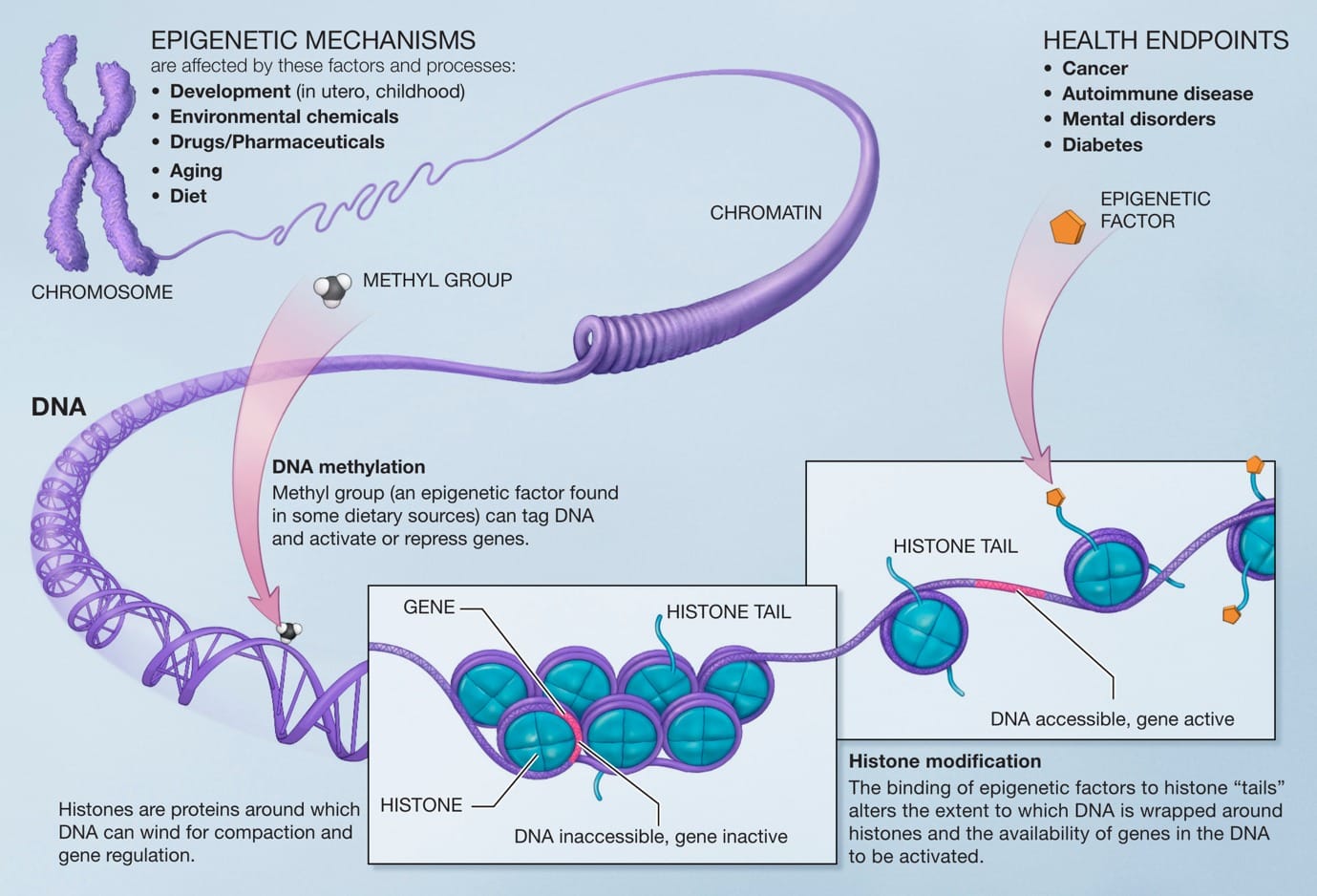
Three main examples of epigenetic mechanisms include: DNA methylation, histone modifications and non-coding RNA activity. Such epigenetic mechanisms allow cells to retain a molecular record of past events and therefore mount an appropriate response.
DNA methylation involves adding methyl groups to cytosine residues within DNA (mainly at CpG sites). This epigenetic process is often linked to gene repression, in the sense that it can prevent transcription factors from binding to DNA. Alternatively, it can recruit proteins that compact chromatin, making DNA less accessible for transcription. Patterns in DNA methylation can be influenced by a multitude of factors such as diet, stress and ageing. Eventually, these DNA patterns can be replicated during cell division, hence contributing to long-term cellular memory.
Furthermore, histone modifications control gene expression by allowing the structure of chromatin to be changed. These histone proteins package DNA into chromatin and their post-translational modifications (e.g. acetylation, methylation, phosphorylation and ubiquitination) can either enhance or suppress gene transcription. For example, histone acetylation is normally linked to gene activation because it opens up chromatin and allows easier access to transcription machinery.
Non-coding RNAs (ncRNAs), such as microRNAs (miRNAs) and long non-coding RNAs (lncRNAs), can affect gene expression by targeting specific mRNAs for degradation, modulating chromatin structure and interacting with other epigenetic regulators.
Epigenetic memory in stem cell biology
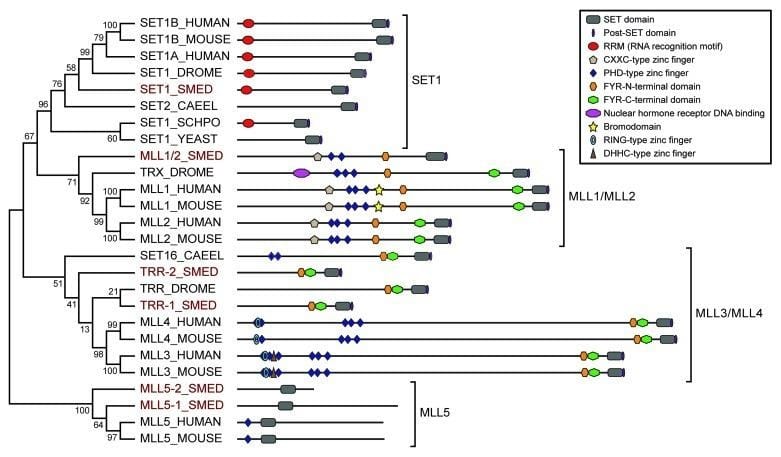
Stem cells are particularly sensitive to their epigenetic environment and their capacity for tissue regeneration can be enhanced or impeded by epigenetic modifications. For example, the impact of epigenetic regulation can be observed in planarians, which are free-living flatworms known for their remarkable regenerative abilities (driven by stem cells). In planarians, the SET/MLL family of histone methyltransferases plays an important role in regulating stem cell behaviour during regeneration. Additionally, histone methylation in planarians can regulate cellular processes such as dedifferentiation and transdifferentiation, which signifies how specific epigenetic configurations allow the regenerative capabilities of stem cells.
Alongside biochemical and genetic factors, mechanical memory has a huge influence on regenerative processes. In fact, research has demonstrated that stem cells, particularly mesenchymal stem cells (MSCs), can retain information from mechanical cues in their environment. This is known as ‘mechanical memory’.
These cues can induce persistent chromatin remodelling, altering the epigenetic landscape and can thereby affect regenerative outcomes. For example, exposing mesenchymal stem cells to different mechanical environments, such as varying levels of substrate stiffness, leads to sustained changes in their chromatin architecture, which ultimately affects their capacity for tissue regeneration. This indicates that the physical context in which cells reside plays a crucial role in their epigenetic state and perhaps underscores the need for a holistic approach to designing regenerative therapies that integrate both mechanical and biochemical factors.
Epigenetic memory: Insights from Animal Models
In highly regenerative species such as axolotls and zebrafish, epigenetic markers are altered during regeneration. Histone modifications and DNA methylation changes, for example, play a role in guiding regeneration by reactivating embryonic-like gene programs necessary for tissue regrowth.
In axolotls, histone-modifying enzymes are crucial for reprogramming differentiated cells back to a pluripotent state during limb regeneration. This allows for complete limb regrowth. Without this epigenetic regulation, regeneration fails, and scarring occurs instead. Similarly, zebrafish activate specific histone modifications that re-express genes involved in heart development, unlocking the regenerative potential of their adult hearts.


Epigenetic reprogramming in human cells
Epigenetic reprogramming has been successfully demonstrated in human cells, especially through the creation of induced pluripotent stem cells (iPSCs). In 2006, Shinya Yamanaka's breakthrough allowed differentiated somatic cells to be reprogrammed into pluripotent stem cells using four transcription factors. iPSCs have the potential to regenerate various tissues by differentiating into nearly any cell type. This reprogramming involves significant changes in DNA methylation and histone modifications.
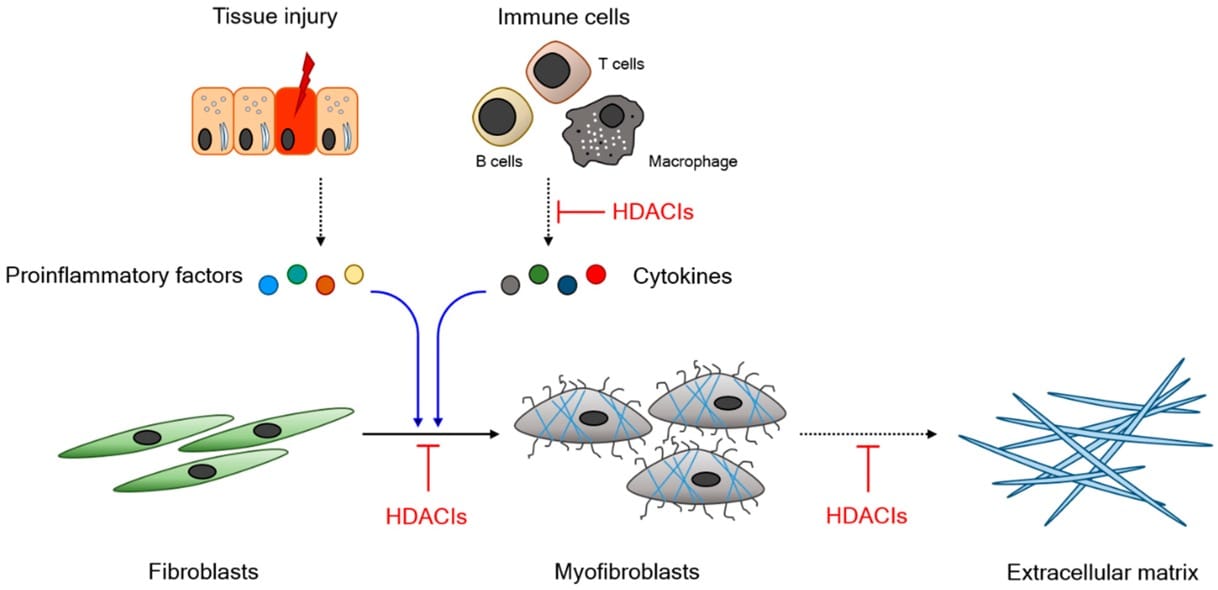
While iPSCs are a powerful tool, full reprogramming may not always be necessary for enhancing regeneration. Targeting specific epigenetic markers related to cellular memory could improve tissue repair while preserving some differentiated functions. Non-coding RNAs (such as miRNAs) and histone deacetylase inhibitors (HDAC inhibitors) are examples of epigenetic modulators that could reduce scarring and promote tissue regeneration. For instance, valproic acid, an HDAC inhibitor, has shown potential in promoting scarless healing in mouse models . It is able to prevent and reduce the formation of scars. through fibroblast activation and collagen deposition.
The role of cellular plasticity in tissue regeneration
Cellular plasticity refers to the ability of cells to adapt and change in response to different environmental cues. This notion of cellular plasticity is crucial for effective regeneration. Epigenetic modification regulates this plasticity, particularly in response to injury. For example, liver cells can enter a more plastic state during regeneration, allowing them to proliferate and replace damaged tissue. Once regeneration is complete, these cells can revert to their original state and cease dividing.
Therefore, understanding and manipulating the epigenetic factors controlling plasticity could enhance regeneration in tissues typically resistant to repair, such as those in the brain, spinal cord and the heart.
Applications of epigenetic modifications within medicine
1. Neurodegenerative diseases
Generally, neurodegenerative diseases involve the progressive loss of neurons, with limited regenerative capacity in the adult human brain. Hence, targeting the epigenetic factors that regulate neurogenesis could stimulate the formation of neurons and slow down the pace of disease progression. For example, studies have shown that HDAC inhibitors can restore memory and cognitive function in mice used as models of Alzheimer’s disease.
2. Organ regeneration and cardiac repair
Although current treatments involve enhancing heart regeneration through epigenetic modulation, manipulating cardiac cell epigenetic memory could potentially improve tissue repair after heart attacks. Similarly, epigenetic therapies could address liver and kidney regeneration issues.
Challenges associated with tissue regeneration
In humans, tissue regeneration typically involves the activation of stem and progenitor cells in response to damage. Adult stem cells play a continuous role in replenishing cells in tissues like skin and intestines, while in others, like the heart, stem cells remain quiescent until injury occurs. The regenerative process starts with signals from the injured area, which activate stem cells to proliferate, differentiate, and repair the damage. However, this process can be hindered by severe injuries or chronic conditions, often resulting in scar tissue formation which can impair organ function and may cause further damage. Additionally, adult stem cells often have limited differentiation potential, which complicates the regeneration of complex tissues with multiple cell types.
Ageing further complicates tissue regeneration by reducing regenerative capacity through DNA damage, loss of stem cell function, and chronic inflammation. This decline is noticeable in the heart and brain, where ageing leads to increased susceptibility to heart failure and neurodegenerative diseases.
Recent advances in regenerative medicine - such as stem cell therapies, tissue engineering, and gene editing - could potentially overcome these limitations. For instance, stem cell transplantation has shown potential in treating heart disease, spinal cord injuries, and diabetes. Yet, these therapies have limitations, highlighting the need for novel approaches to enhance regeneration.
Furthermore, developing epigenetic therapies means that ethical and practical challenges must be addressed. Concerns include potential off-target effects, the risk of inheritable epigenetic modifications and abusing such therapies for enhancement instead of treatment. In addition, regulatory hurdles must also be overcome to ensure the clinical safety and effectiveness of these therapies, which requires precise targeting and delivery to specific tissues.
It could also be argued that epigenetic therapies tailored to the unique epigenetic profiles of individual patients can be beneficial. For example, advances in gene-editing technologies like CRISPR/Cas9, combined with epigenetic drugs and personalised diagnostics, could revolutionise tissue regeneration by reactivating dormant regenerative pathways and optimising repair processes.
Conclusion
In conclusion, the intricate interplay between epigenetic mechanisms and cellular memory is fundamental to advancing tissue regeneration and developing innovative therapeutic strategies. By elucidating the specific epigenetic modifications that govern stem cell behaviour and tissue repair, researchers can better manipulate these processes to enhance wound healing, reduce scarring, and promote organ repair. An integrative approach that combines insights from molecular biology and genetics, alongside the precise targeting of both epigenetic and mechanical signals, holds tremendous potential to revolutionise the treatment of damaged tissues and organs. Although challenges remain, ongoing research and technological advancements suggest that epigenetic therapies could become central to future regenerative medicine, offering new possibilities for treating complex conditions and significantly improving long-term health.
Read the rest of the edition here