Beneath the surface: How Microplastics Are Shaping the Future of Cardiovascular Health

Written By Shreya Kantamneni
Introduction
Microplastic pollution has swiftly evolved from a distant environmental concern to an omnipresent threat, silently infiltrating nearly every facet of our daily lives. Once considered an issue confined to the oceans and remote ecosystems, these tiny particles have now found their way into the air we breathe, the water we drink and the food we consume. The most alarming part? We are only beginning to understand the full extent of its dangers.
Emerging research now suggests that perhaps these invisible particles – often smaller than a grain of sand – could be playing a pivotal role in the global surge of cardiovascular diseases . These particles may be quietly triggering a dangerous cascade of inflammation, oxidative stress and endothelial dysfunction, which are critical processes in driving heart disease. As the evidence builds, it is becoming increasingly undeniable. Microplastics are not just merely polluting our planet – they are infiltrating our bodies and silently undermining our cardiovascular health.
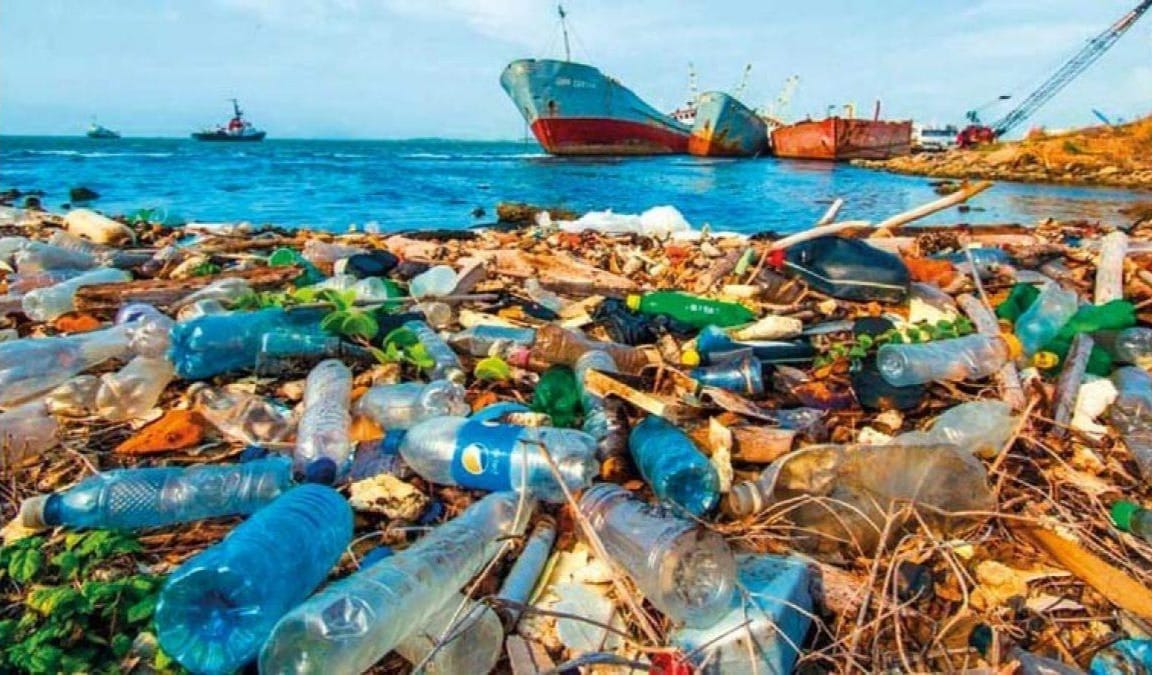
What are microplastics?
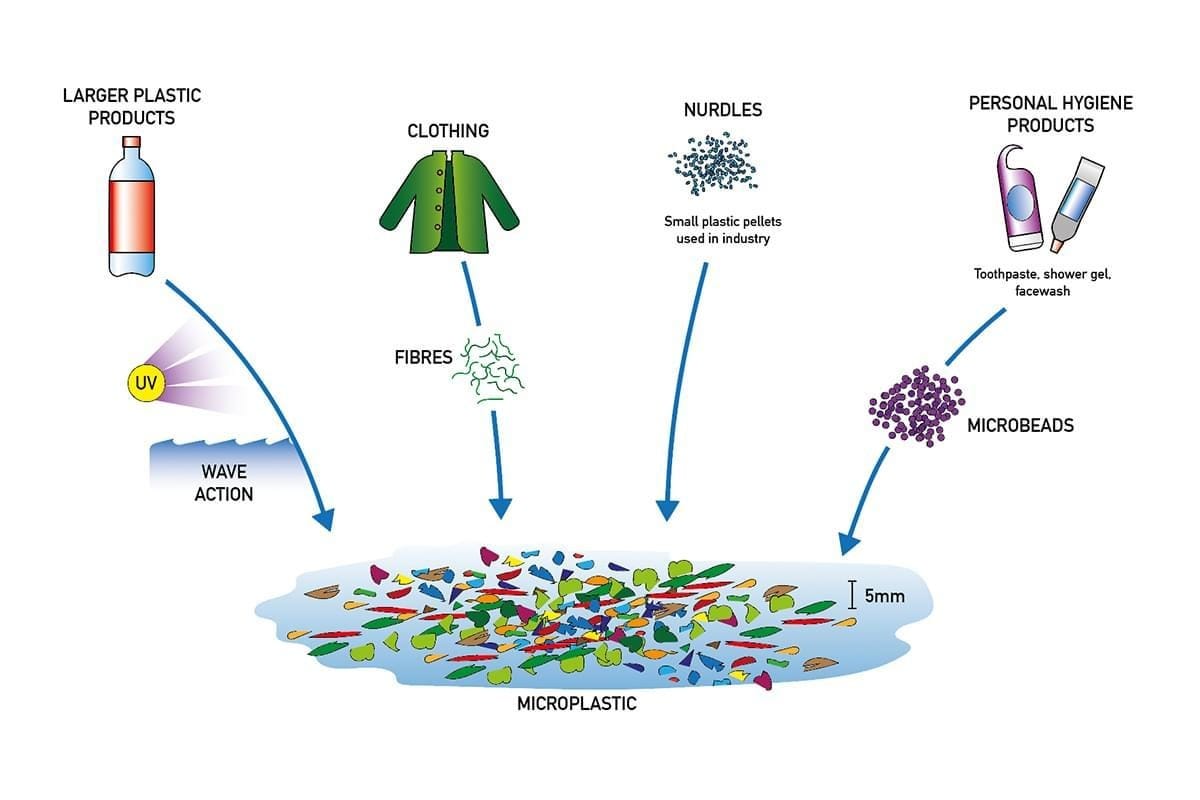
Microplastics are tiny plastics that originate from a variety of sources and can be classified into primary and secondary types. Primary microplastics are manufactured at small sizes and can be often found in products such as cosmetics, cleaning agents and synthetic fibres from clothing. These particles can enter the environment directly through waste or runoff.
On the other hand, secondary microplastics are the result of the degradation of larger plastic debris, such as plastic bottles, packaging or fishing nets, which break down over time due to environmental factors such as UV radiation, mechanical abrasion and weathering.This process leads to the fragmentation of plastics into smaller pieces that are then dispersed across air, water and soil, ultimately entering the food chain and posing potential risks to human and ecological health.
The ubiquity of microplastics
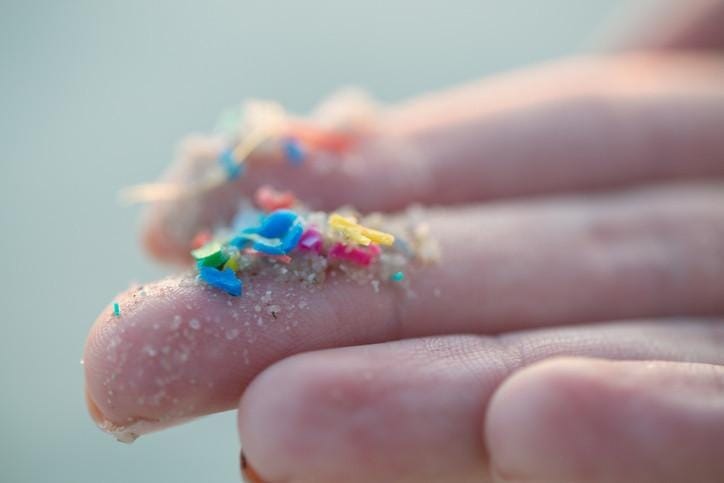
The rapid proliferation of microplastic pollution has emerged as one of the most alarming environmental challenges of the 21st century. Defined as plastic particles less than 5mm in diameter, they have penetrated virtually every ecosystem on Earth, from the deepest ocean trenches to the highest mountain ranges, and even the polar ice caps.
This pervasiveness extends beyond the environment. Humans are now being increasingly exposed to microplastics through multiple pathways. Whether it is via the ingestion of contaminated food – particularly seafood – inhalation of airborne particles or absorption through drinking water, these particles are entering our bodies at an alarming rate. Consequently, their minute size, often invisible to the naked eye, makes them a stealthy and insidious health threat that many are unaware of.
For decades, environmental toxins, especially particulate matter, have been firmly linked to the development of cardiovascular diseases. For example, epidemiological studies have long established a strong association between air pollution, especially fine particulate matter (PM2.5) and the onset of atherosclerosis, endothelial dysfunction and other cardiovascular pathologies. While the association between traditional environmental toxins and heart disease is well-established, the growing body of evidence pointing to microplastics as a potential, yet underexplored, contributor to cardiovascular dysfunction necessitates urgent investigation.
Mechanisms of cardiovascular impact
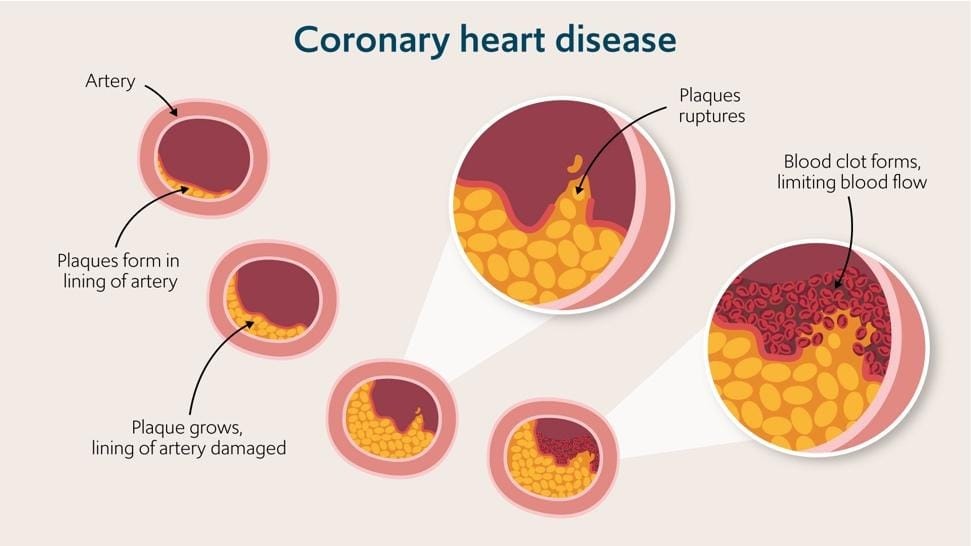
The cardiovascular effects of microplastics most likely arise through a complex interplay of pathophysiological mechanisms, many of which align with well-established processes in the pathogenesis of cardiovascular disease. One of the most compelling pathways involves the activation of inflammatory processes, which, upon chronic stimulation, leads to endothelial dysfunction. This dysfunction, characterised by a compromised endothelium that is unable to effectively regulate vascular tone and permeability, is a key feature in the initiation of atherosclerosis – a disease which is characterised by the progressive accumulation of lipids and inflammatory cells in the arterial wall. Hence, the insidious nature of microplastics lies in their ability to initiate this inflammatory cascade at a microscopic level, leading to the thickening of the arterial tunica intima. As a result, this leads to the development of atherosclerotic plaques that predispose to coronary events such as myocardial infarction and ischaemic stroke.
In parallel to their pro-inflammatory effects, microplastics have been shown to induce significant oxidative stress, which is a well-established mechanism in endothelial injury and vascular remodelling. Upon internalisation, microplastics generate reactive oxygen species (ROS) which overwhelms the cellular antioxidant defence systems, resulting in lipid peroxidation, protein oxidation and DNA damage. This oxidative burden not only exacerbates endothelial dysfunction but also triggers a pro-inflammatory response within the vascular wall, further accelerating the development of arterial plaques causing heart disease. Consequently, the interplay between oxidative stress and inflammation forms a pathological nexus that accelerates the development of cardiovascular diseases. ROS also promote the oxidation of low-density lipoprotein (LDL), which is a key contributor to plaque formation in the arterial wall, thereby amplifying the inflammatory and lipid-rich nature of atherosclerotic lesions.
Furthermore, microplastics act as carriers for toxic chemical additives, such as phthalates, bisphenol A (BPA) and persistent organic pollutants (POPs), all of which are known to have endocrine-disrupting properties. These chemicals may amplify the toxicological effects of microplastic exposure, promoting vascular inflammation, endothelial dysfunction and the progression of atherosclerosis.
Altogether, these combined effects of microplastic-induced oxidative stress, inflammation, and lipid dysregulation emphasise the need for a paradigm shift in our understanding of environmental risk factors for cardiovascular diseases.
Epidemiological evidence
Although research linking microplastics to cardiovascular morbidity and mortality is still in its infancy, early epidemiological studies suggest potential associations between exposure to microplastics and adverse cardiovascular outcomes. Recent studies have focused on populations living in areas with high levels of plastic pollution or those with frequent exposure to polluted air, such as residents in coastal cities. Additionally, those with high seafood consumption, especially in areas where microplastic contamination of marine life is prevalent, may be at higher risk of exposure to microplastics through the food chain.
Furthermore, emerging evidence from studies examining the health of individuals living near microplastic-contaminated environments indicates a possible link between environmental exposure and increased rates of hypertension and other cardiovascular diseases. However, more large-scale, longitudinal studies are needed to confirm these associations and explore potential causal relationships between microplastic exposure and cardiovascular disease development.
Preventative Measures and Public Health Strategies
Given the potential threat that microplastics pose to cardiovascular health, public health strategies aimed at reducing exposure are essential. At the policy level, stricter regulations on plastic production and waste management are critical to reducing the release of microplastics into the environment. International frameworks such as the United Nations Sustainable Development Goals and local legislative efforts focused on plastic waste reduction could have a profound impact on minimising exposure. Moreover, the implementation of health promotion campaigns emphasising environmental health risks and preventive measures will be essential to inform and empower the public.
Future research directions
At present, there are significant gaps in the current body of research regarding the impact of microplastics on cardiovascular health. For example, standardised methodologies for measuring microplastic exposure in both environmental and biological samples are urgently needed to allow for consistent data collection and comparison across studies. In addition, future research should explore the mechanisms through which microplastics enter and interact with the cardiovascular system, using both in vitro and in vivo models.
The importance of interdisciplinary collaboration cannot be overstated. Environmental scientists, cardiologists, toxicologists and public health experts should collaborate to design studies that explore the complex interactions between microplastics and cardiovascular disease risk. Altogether, such collaborative efforts will help to bridge knowledge gaps and develop effective strategies to mitigate the impact of microplastics on health.
Ethical Considerations and Health Equity
The ethical implications of microplastic research cannot be overlooked, especially when considering vulnerable populations who may be disproportionately affected. People living in areas with high plastic pollution or those with limited access to healthcare may be disproportionately affected by the cardiovascular risks associated with microplastic exposure. Therefore, it is vital that future research includes marginalised communities to ensure equitable health outcomes and the development of targeted interventions. Public health policies aimed at reducing exposure to microplastics should prioritise these communities, ensuring that they receive the necessary resources to protect their cardiovascular health.
Conclusion
To summarise, the connection linking microplastics to cardiovascular disease may be one of the most pressing public health issues of our time. While the research is still emerging, the potential risks of microplastic exposure on our cardiovascular health warrant immediate attention from researchers, healthcare providers and policymakers alike. As we continue to uncover the mechanisms through which microplastics may harm the cardiovascular system, it is critical to address this issue through a multifaceted approach involving stricter regulations on plastic use, increased public awareness and advocacy for policies to reduce exposure to microplastics. With continued research and collaboration, we can better understand the full scope of this global health concern and take action to mitigate its potential risks to our populations. As this research continues to explore the connections between microplastics and human cardiovascular health, it’s equally important to acknowledge that their toxicity reaches far beyond humans, affecting entire ecosystems and threatening marine life.
Read the rest of the edition here
References:
1
O’Bier T. EU wants to make cosmetic, drug companies pay to remove microplastics [Internet]. News 3 WTKR Norfolk. 2024 [cited 2025 Mar 17]. Available from: https://www.wtkr.com/eu-wants-to-make-cosmetic-drug-companies-pay-to-remove-microplastics
2
Papac Zjačić J, Tonković S, Pulitika A, Katančić Z, Kovačić M, Kušić H, et al. Effect of aging on physicochemical properties and size distribution of PET microplastic: Influence on adsorption of diclofenac and toxicity assessment. Toxics [Internet]. 2023;11(7). Available from: http://dx.doi.org/10.3390/toxics11070615
3
Browne, M. A., et al. (2011). Ingestion of microplastic particles by marine organisms. Environmental Science & Technology, 45(21), 9751-9758.
4
Uhi.ac.uk. [cited 2025 Mar 17]. Available from: https://pureadmin.uhi.ac.uk/ws/files/43151815/Lola_Paradinas_thesis.pdf?cv=1
5
Andrady, A. L. (2017). Microplastics in the marine environment. Marine Pollution Bulletin, 119(1), 4-11.
6
Rochman, C. M., et al. (2013). Policy: Classify plastic waste as hazardous. Science, 339(6126), 1208-1209.
7
Schwabl P, Köppel S, Königshofer P, Bucsics T, Trauner M, Reiberger T, et al. Detection of various microplastics in human stool: A prospective case series. Ann Intern Med [Internet]. 2019;171(7):453–7. Available from: http://dx.doi.org/10.7326/M19-0618
8
Cole M, Lindeque P, Halsband C, Galloway TS. Microplastics as contaminants in the marine environment: a review. Mar Pollut Bull [Internet]. 2011;62(12):2588–97. Available from: http://dx.doi.org/10.1016/j.marpolbul.2011.09.025
9
Brook RD, Rajagopalan S, Pope CA 3rd, Brook JR, Bhatnagar A, Diez-Roux AV, et al. Particulate matter air pollution and cardiovascular disease: An update to the scientific statement from the American Heart Association: An update to the scientific statement from the American Heart Association. Circulation [Internet]. 2010;121(21):2331–78. Available from: http://dx.doi.org/10.1161/CIR.0b013e3181dbece1
10
Rippe JM. Lifestyle nutrition: Eating for good health by lowering the risk of chronic diseases. Boca Raton: CRC Press; 2024.
11
Zheng H, Vidili G, Casu G, Navarese EP, Sechi LA, Chen Y. Microplastics and nanoplastics in cardiovascular disease-a narrative review with worrying links. Front Toxicol [Internet]. 2024;6:1479292. Available from: http://dx.doi.org/10.3389/ftox.2024.1479292
12
Hung YH, Bush AI, Cherny RA. Copper in the brain and Alzheimer’s disease. J Biol Inorg Chem [Internet]. 2010;15(1):61–76. Available from: http://dx.doi.org/10.1007/s00775-009-0600-y
13
Keservani RK, Kesharwani RK, Jain PK, Rane BR, Gujarathi NA. Nutraceuticals in cardiac health management. Apple Academic Press; 2024.
14
Zheng H, Vidili G, Casu G, Navarese EP, Sechi LA, Chen Y. Microplastics and nanoplastics in cardiovascular disease-a narrative review with worrying links. Front Toxicol [Internet]. 2024;6:1479292. Available from: http://dx.doi.org/10.3389/ftox.2024.1479292
15
Pitchaimani S, Abishek R, Ravindran A, Joe RJJ. Microplastic contamination in Kerala’s coastal ecosystems: a review of sources, distribution, and ecological implications. Discov Geosci [Internet]. 2025;3(1). Available from: http://dx.doi.org/10.1007/s44288-025-00133-6
16
Zheng H, Vidili G, Casu G, Navarese EP, Sechi LA, Chen Y. Microplastics and nanoplastics in cardiovascular disease-a narrative review with worrying links. Front Toxicol [Internet]. 2024;6:1479292. Available from: http://dx.doi.org/10.3389/ftox.2024.1479292
17
Oup.com. [cited 2025 Mar 17]. Available from: https://academic.oup.com/humrep/article/37/5/1059/6530097?login=false
18
De La Fuente, J. R., et al. (2021). Environmental health inequities and microplastics: A call to action for inclusive research. Environmental Health Perspectives, 129(10), 105001
19
Lusher AL, McHugh M, Thompson RC. Occurrence of microplastics in the gastrointestinal tract of pelagic and demersal fish from the English Channel. Mar Pollut Bull [Internet]. 2013;67(1–2):94–9. Available from: http://dx.doi.org/10.1016/j.marpolbul.2012.11.028
20
De La Fuente, J. R., et al. (2021). Environmental health inequities and microplastics: A call to action for inclusive research. Environmental Health Perspectives, 129(10), 105001
21
Pitchaimani S, Abishek R, Ravindran A, Joe RJJ. Microplastic contamination in Kerala’s coastal ecosystems: a review of sources, distribution, and ecological implications. Discov Geosci [Internet]. 2025;3(1). Available from: http://dx.doi.org/10.1007/s44288-025-00133-6
22
PRIME PubMed [Internet]. Unboundmedicine.com. [cited 2025 Mar 17]. Available from: https://www.unboundmedicine.com/medline/research/BMC_public_health?prev=true&start=510
23
Bolan NS, Kirkham MB, Halsband C, Nugegoda D, Ok YS, editors. Particulate plastics in terrestrial and aquatic environments. First edition. | Boca Raton : CRC Press, 2020.: CRC Press; 2020.
24
Unep.org. [cited 2025 Mar 16]. Available from: https://apps1.unep.org/resolutions/uploads/aheg_virtual_preparatory_meeting_agenda_item_4_provisional_aheg_2020_4_inf_10_submissions_on_potential_options.pdf
25
Smarr MM, Avakian M, Lopez AR, Onyango B, Amolegbe S, Boyles A, et al. Broadening the environmental lens to include social and structural determinants of women’s health disparities. Environ Health Perspect [Internet]. 2024;132(1):15002. Available from: http://dx.doi.org/10.1289/EHP12996
26
Hazen H, Anthamatten P. An introduction to the geography of health. Second Edition. | New York : Routledge, 2020. | First edition published in 2011 with Peter Anthamatten as principal author.: Routledge; 2019.